
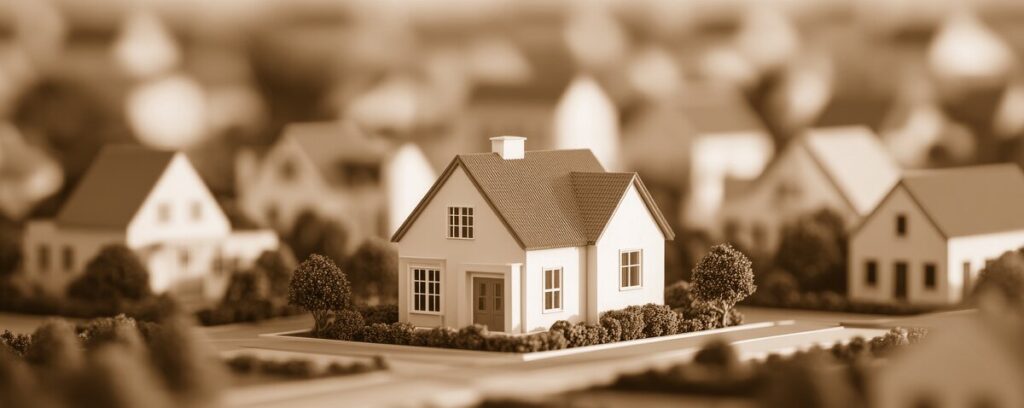
Nestled in the broad embrace of west San Jose, the Cory neighborhood stands as a quiet testament to the city's rich past and enduring community spirit. Bordered by bustling Stevens Creek Boulevard to the north and the flow of Saratoga Avenue to the west, Cory’s leafy streets and charming homes invite residents and visitors alike to linger, to explore, and—most importantly—to feel at home. Let’s take a walk through Cory’s history, discover its origins, and celebrate what has made this neighborhood a cherished cornerstone of San Jose for generations.
The Origins of Cory: From Orchards to Neighborhood
Long before tract homes and cul-de-sacs graced this corner of San Jose, the land that is now Cory was dominated by sprawling orchards and fields. This area formed part of the Santa Clara Valley’s famous fruit basket, lush with apricots, cherries, and almonds. In the early 20th century, as San Jose began to blossom from agricultural roots into a vibrant urban hub, the demand for new housing near the city’s core grew quickly.
By the late 1930s, the Cory Land Company acquired large portions of these fields. The name "Cory" comes directly from this company—it was chosen for its simplicity and memorability, soon becoming synonymous with the tract and, later, the whole neighborhood. The move by real estate entrepreneurs to develop the area for returning World War II veterans and young families heralded Cory’s transformation from farmland to a welcoming residential community.
Building a Community: Milestones & Growth
Cory’s real evolution began during the post-war boom. Developers crafted tidy blocks lined with single-story ranch homes, many of which still stand proudly today. These houses, with their broad lawns and mature trees, reflect the optimism and practicality of mid-century California design.
- Key Milestones:
- In 1949, Cory Elementary School opened its doors, quickly becoming a central gathering place for families living along streets like Roycott Way, Scott Street, and Flora Vista Avenue.
- By the 1950s, small businesses flourished along Stevens Creek Boulevard, offering everything from groceries to shoe repairs, and solidifying Cory’s status as a self-sufficient neighborhood.
- The opening of nearby Valley Fair Shopping Center in 1956 added a regional draw, giving residents a direct line to an emerging commercial hub.
Cory’s population and amenities grew steadily alongside San Jose’s own rapid expansion. Yet, the neighborhood always retained its close-knit atmosphere—a place where neighbors shared oranges from backyard trees and kids raced bicycles up and down the quiet cross streets.
Notable Landmarks and Local Gems
While Cory lacks the grand, historic mansions of older San Jose neighborhoods, it is rich in humble landmarks that speak to everyday life and shared history.
- Cory Park: Tucked beside the elementary school on Arleta Avenue, Cory Park provides a green heart for the neighborhood. Its playground, picnic tables, and shady trees have witnessed countless birthday parties, Little League games, and family barbecues.
- Cory Neighborhood Center: On the grounds of the former Cory School, this community center continues to host meetings, classes, and local gatherings, nurturing connections between generations.
- Stevens Creek Boulevard Landmarks: Though many of the original mid-century businesses have given way to modern storefronts, longtime locals recall stalwarts like the old Soda Fountain Pharmacy and the family-run grocery that offered a friendly face to every customer.
How Cory Has Evolved
The Cory neighborhood has kept pace with the ever-changing tapestry of San Jose. As technology companies sprang up and Silicon Valley’s influence boomed, new faces arrived: engineers, entrepreneurs, and families from around the globe. The once-modest ranch homes have been lovingly updated, and some have given way to custom remodels blending contemporary tastes with classic layouts.
- Diversity and Demographics: What started as a predominantly Caucasian, middle-class community has blossomed into one of the more diverse enclaves in west San Jose, where neighbors gather for Diwali, Lunar New Year, and Fourth of July block parties.
- Schools and Parks: Cory Elementary remains a pillar of the community, joined by the nearby Challenger School and the amenities of Santana Park just a short stroll away.
- Transit and Access: Proximity to Interstate 280 and major bus lines makes Cory a sought-after address for commuters, while its walkable streets and bike-friendly routes encourage weekend exploration to nearby Westfield Valley Fair or even a coffee at a local café on Winchester Boulevard.
Cory Today: A Blend of Heritage and Hope
Ask any longtime resident what makes Cory special, and you’ll hear the same words: community, history, and warmth. The neighborhood’s mature camphor and sycamore trees offer shade for spirited joggers and strolling retirees alike. Annual events, such as the Cory Neighborhood Yard Sale, foster a sense of continuity while welcoming new families to put down roots.
Local preservation efforts champion both the mid-century character of the homes and the stories behind them. There is pride in maintaining the pocket parks, pride in supporting beloved small businesses, and an abiding respect for the farmers and builders whose hard work quite literally paved the way.
Perhaps most of all, Cory endures as a microcosm of San Jose itself: a place where history is honored even as new memories are made. Here, neighbors don’t just share fences—they share potlucks, garden tips, and holiday spirit. That’s the enduring magic of Cory, and why its legacy will carry forward for generations to come.
In Closing: More Than Just a Neighborhood
The story of Cory is still being written each day on quiet avenues and under the familiar canopy of street-side trees. Its people, past and present, have made it more than just a place on the map—they have made it a home. And as San Jose continues to evolve, Cory’s history and heart will keep it forever special in the eyes of those lucky enough to know its welcoming embrace.